TMS session
Many individuals exploring new treatment options for depression, anxiety, OCD, PTSD, and other mental health conditions often wonder “What happens during a TMS session?” Understanding the process can help reduce anxiety and make the decision to begin treatment feel more comfortable and informed. Transcranial Magnetic Stimulation (TMS) is a non-invasive therapy that uses magnetic pulses to stimulate areas of the brain responsible for mood regulation. Because it is FDA-approved and widely studied, TMS has become a valuable option for people who have not found success with medication or traditional therapy alone. Knowing what to expect can make the experience more reassuring and empowering.
Before the first treatment session, patients typically meet with a provider to complete a detailed consultation. This includes reviewing medical history, discussing symptoms, and deciding whether tms near me is the right approach. Once treatment begins, the first appointment is usually the longest, lasting between 60 and 90 minutes. This session involves a process called mapping, which helps the clinician identify the exact location of the brain that will be targeted. During mapping, the provider places a small magnetic coil against the patient’s scalp and applies short pulses to determine the correct position and intensity level. This personalization ensures maximum effectiveness while maintaining comfort.
After the initial mapping session, daily treatments begin. Each TMS session typically lasts between 20 and 40 minutes depending on the type of device and treatment plan. When asking “What happens during a TMS session?”, many people want to know what the experience feels like. Patients sit comfortably in a treatment chair similar to a dental or recliner chair. The magnetic coil is positioned against the head, usually near the forehead region. During the session, the device emits repetitive magnetic pulses that feel like tapping or light knocking sensations on the scalp. Some people describe the feeling as unusual at first, but most adjust within a few sessions.
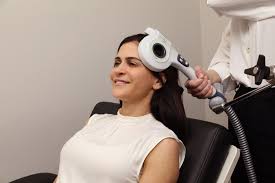
What happens during a TMS session?
There is no need for sedatives or anesthesia during treatment. Patients remain awake, aware, and able to talk during the procedure. Some choose to listen to music, close their eyes, or simply relax. Because TMS is non-invasive, there is no recovery period. Once the session ends, patients can immediately return to their daily activities, including driving, work, or school. Side effects are typically mild—most commonly slight scalp discomfort or a temporary headache—which tend to decrease as the sessions progress.
For individuals searching for tms near me, finding a supportive clinic is important. A good provider explains each step, checks in regularly about comfort levels, and monitors progress throughout the six-week treatment course. Many patients begin noticing gradual improvement around the third or fourth week, experiencing better mood, increased motivation, and reduced emotional distress. Progress varies, and clinicians adjust intensity if needed to ensure optimal results.
Knowing the answer to “What happens during a TMS session?” can remove uncertainty and help individuals feel confident in pursuing treatment. The process is straightforward, patient-centered, and designed to fit into everyday life with minimal disruption. For many, TMS represents a hopeful path forward when other treatments have fallen short, offering renewed possibility and improved quality of life.