goal of Network VA
The question, “What is the goal of Network VA?” is important for organizations that want to strengthen their cybersecurity defenses and protect valuable digital assets. Every business depends on its network to support daily operations, communication, and data exchange. As cyber threats continue to evolve, identifying and addressing security weaknesses before attackers exploit them has become a critical priority. A network va serves this purpose by providing a structured approach to discovering vulnerabilities, evaluating security risks, and helping organizations improve their overall security posture through proactive risk management.
The primary goal of a network va is to identify vulnerabilities across an organization’s network infrastructure before they can be exploited by malicious actors. These vulnerabilities may exist in servers, routers, switches, firewalls, wireless access points, workstations, cloud resources, or other connected devices. By systematically scanning and analyzing these systems, organizations gain a clear understanding of where security weaknesses exist and what actions should be taken to reduce potential risks.
A network va focuses on visibility. Many organizations operate complex environments with hundreds or even thousands of connected devices. Over time, new hardware, applications, and services are added, while older systems may remain active long after they are needed. Without proper visibility, security teams may overlook vulnerable assets that could provide attackers with an entry point. A vulnerability assessment creates a comprehensive inventory of network assets, making it easier to identify outdated systems, unauthorized devices, and exposed services.
Another major goal of a network va is to detect known vulnerabilities in operating systems, software applications, firmware, and network devices. Software vendors regularly publish security updates to address newly discovered weaknesses. However, organizations do not always apply these updates immediately. As a result, attackers often target systems running outdated software because publicly known vulnerabilities are easier to exploit. By identifying missing patches and obsolete software versions, a vulnerability assessment enables organizations to prioritize updates based on actual risk.
Configuration review is another important objective of a network va. Even fully updated systems may remain vulnerable if they are configured incorrectly. Weak passwords, unnecessary services, excessive user permissions, insecure protocols, and poorly configured firewalls all increase the likelihood of a successful attack. The assessment evaluates these configurations against recognized security best practices and highlights areas where improvements are needed to strengthen overall protection.
Reducing the organization’s attack surface is another key goal of a network va. Every accessible service, open port, or exposed application creates a potential opportunity for attackers. Not every service needs to be publicly available or accessible within the internal network. By identifying unnecessary exposure, security teams can disable unused services, close unnecessary ports, and limit access to critical systems. This significantly reduces the number of possible entry points available to cybercriminals.
Risk prioritization is a valuable outcome of a network va because not every vulnerability presents the same level of danger. Organizations often discover hundreds or even thousands of vulnerabilities during an assessment. Attempting to address them all simultaneously may not be practical. Instead, vulnerability assessments evaluate factors such as severity, exploitability, business impact, and system importance to help security teams prioritize remediation efforts. This allows limited resources to be directed toward the vulnerabilities that pose the greatest threat.
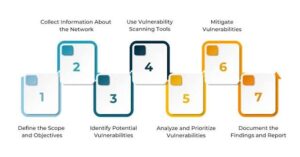
What is the goal of Network VA?
A network va also supports regulatory compliance. Many industries are required to perform regular vulnerability assessments under cybersecurity regulations and compliance frameworks. Standards such as PCI DSS, HIPAA, ISO 27001, and other security guidelines emphasize ongoing vulnerability management as part of maintaining secure information systems. By conducting regular assessments, organizations demonstrate their commitment to protecting sensitive information while meeting compliance obligations.
Another important goal of a network va is to improve incident prevention. Recovering from a cyberattack is often significantly more expensive than preventing one. Security incidents may result in operational downtime, financial losses, reputational damage, legal consequences, and data breaches. Vulnerability assessments help organizations identify weaknesses before attackers can exploit them, allowing security teams to address problems proactively rather than reacting after an incident has occurred.
Supporting long-term cybersecurity planning is another benefit of a network va. Security is not a one-time project but an ongoing process. Technology environments constantly change as businesses deploy new applications, migrate to cloud services, adopt remote work, and integrate emerging technologies. Regular vulnerability assessments provide measurable insights into how an organization’s security posture evolves over time. This information supports strategic planning, budget allocation, and long-term cybersecurity improvements.
A network va also helps organizations strengthen internal security awareness. Assessment reports provide detailed information about discovered vulnerabilities, affected systems, potential business impacts, and recommended remediation steps. These findings encourage collaboration among IT administrators, security professionals, management teams, and business stakeholders. By understanding where weaknesses exist, organizations can improve security policies, strengthen operational procedures, and promote better security practices throughout the organization.
Modern business environments often include hybrid infrastructures that combine on-premises systems, cloud platforms, virtual machines, wireless networks, and Internet of Things devices. The goal of a network va extends across these diverse environments by providing consistent visibility into security risks regardless of where assets are located. This comprehensive approach ensures that organizations maintain strong protection even as their technology infrastructure continues to expand.
Regular assessments also help organizations monitor changes over time. New vulnerabilities are discovered every day, software updates introduce configuration changes, and new devices are constantly added to business networks. A network va performed on a recurring schedule allows organizations to identify newly introduced weaknesses quickly, verify that previous issues have been resolved, and continuously improve their security posture through ongoing vulnerability management.
It is also important to understand that a network va is not intended to exploit vulnerabilities or simulate attacks in the same way as penetration testing. Instead, its primary purpose is identification, evaluation, and prioritization. The assessment provides organizations with actionable intelligence that helps them make informed security decisions while minimizing operational disruption. This proactive approach enables businesses to strengthen defenses without exposing production environments to unnecessary risks.
Ultimately, the answer to the question, “What is the goal of Network VA?” is straightforward. The goal of a network va is to identify vulnerabilities, improve visibility, reduce attack surfaces, prioritize security risks, support compliance, strengthen system configurations, and enable proactive cybersecurity management. By providing organizations with a clear understanding of their security weaknesses and practical recommendations for remediation, network vulnerability assessments play a vital role in protecting critical systems, sensitive data, and business operations from constantly evolving cyber threats.